Author: Tiana Sanford

What to Avoid When Using Pressure Washing Services

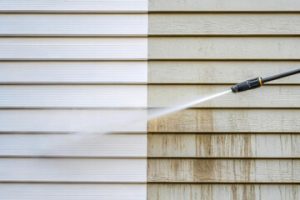
Professional pressure washing saves you time and energy compared to elbow grease. A blast of the nozzle can erase years of buildup and leave surfaces looking as good as new.
Pressure Washing

The proper psi, water rotation, and cleaning solutions ensure safe and effective cleaning without damaging various surfaces and vegetation. Attempting to repaint or stain over filthy surfaces is a fool’s errand; the debris will prevent proper adhesion.

The appearance of a building plays a significant role in its overall curb appeal. A dirty exterior can tarnish the overall look and cause an unfavorable first impression. This is true for both residential and commercial properties. However, a simple pressure wash can eliminate dirt, mildew, mold, and other unsightly stains, instantly enhancing the overall look of your property.

In addition, a pressure wash also helps extend the life of surfaces, reducing costly repairs in the future. As a result, hiring a professional power washing service can prove to be a wise investment for both homeowners and businesses alike.

Over time, dirt, grime, mold, and mildew accumulate on a variety of outdoor surfaces including siding, driveways, decks, and walkways. This buildup not only detracts from the aesthetic beauty of a property but can also lead to long-term damage if left untreated. A regular professional pressure wash removes these unsightly elements and prevents the deterioration of outdoor surfaces, maintaining or even increasing the value of your home or business.

Whether you’re selling your property or simply want to enhance its visual appeal, curb appeal is an important consideration. In a real estate market where first impressions are critical, a clean and inviting exterior can make all the difference in attracting potential buyers. Pressure washing is a cost-effective and quick way to improve the overall look of your property and create a positive first impression.

Curb appeal doesn’t just attract buyers; it also reflects a level of care and maintenance that translates into higher property values. This makes it an ideal solution for those who want to maximize the marketability of their home or business while avoiding expensive renovations.

As environmental stewardship becomes increasingly important in 2025, eco-friendly pressure washing services are expected to see a growth in popularity. These services utilize advanced technology and equipment to provide a deep, thorough cleaning that eliminates harmful contaminants without causing any harm to the environment or wildlife. In addition, these methods help preserve the life of outdoor surfaces and minimizes the need for costly repairs in the future.

Health

Pressure washing uses an intense stream of water (usually through pressurized washers) to remove mildew, dirt, and other contaminants from surfaces. Detergents and cleaning solutions can also be used to enhance the effectiveness of this method, particularly on specific types of stains. Professionals have the experience and equipment to position the water stream for optimal cleaning without damaging a surface. They can also choose the best nozzles and pressure settings to clean different types of surfaces. For example, wood and aluminum siding require lower pressure than concrete and stucco, while brick handles high PSI but needs to be carefully controlled to avoid eroding mortar.

In addition to enhancing curb appeal, regular pressure washing can also improve the health of your home or business. Mildew, mold, and dirt can deteriorate exterior surfaces and impact the indoor air quality of your property. A thorough pressure wash removes these substances, creating a healthier living environment and protecting your property from damage.

Dirty surfaces can also hide problems with your building’s structure or foundation. A regular cleaning schedule can help identify these issues early, preventing them from becoming major problems down the road and saving you money in repairs and maintenance.

The heavy-duty nature of industrial pressure washing often requires the use of harmful chemical cleaners. These substances can be dangerous to the health and safety of workers and residents, but pressure washing provides a safe and effective alternative. The forceful water stream can be adjusted to a level that is safe for most surfaces, and the effectiveness of this method often exceeds the results achieved with chemical cleaners.

Aside from its aesthetic benefits, a regularly-scheduled cleaning of your commercial or residential property can significantly extend the lifespan of its surfaces and equipment. Regular cleaning can prevent the accumulation of corrosive substances that can cause damage and lead to costly repairs. A consistent cleaning schedule can also reduce the risk of slip-and-fall accidents by removing slippery substances from walkways and driveways. In addition, professional cleaning services can help eliminate hazardous substances that pose risks to the health and safety of your employees and customers.

Safety

As a popular cleaning method for grime-drenched driveways, weathered decks, and storefront windows, pressure washing is a powerful tool to restore surfaces and prevent long-term damage. But, like any power equipment, it poses certain risks and requires stringent safety protocols to avoid property damage, ineffective cleaning, or personal injury. From specialized attire to proper cleaning technique, understanding what to avoid when using pressure washers can help homeowners achieve a clean, beautiful, and safe result.

Protective Gear

Working with a pressure washer requires a substantial investment in safety gear, including protective gloves, goggles, and sturdy footwear. This is important, as the high-pressure water jet can damage delicate surfaces and cause splinters, punctures, cuts, or severe injuries in less-than-ideal conditions. It is also important to protect surrounding plants, outdoor furniture, or any other items that may be damaged by the heavy water spray or chemical cleaners.

It is also crucial to understand that not all surfaces require the same type of cleaning solution. Using harsh chemicals on wood or vinyl can damage the surface and cause discoloration or deterioration. And, using plain water on moss or mildew can be ineffective at best and damaging at worst. Professional pressure washing services use eco-friendly, specialized cleaning solutions for different surfaces to ensure a thorough cleaning without damaging the surface.

Whether on a commercial or residential site, a dirty exterior can detract from the overall appearance and curb appeal of a building. Hiring a professional to pressure wash pavers, driveways, decks, fences, siding, roofs, gutters, sheds, and other exterior property fixtures can instantly improve the appearance and increase value of your home or business.

In addition, a thorough, professional cleaning can reduce or even eliminate harmful contaminants that can be trapped in dirt, mildew, mold, or dust. These contaminants can lead to a variety of health issues, from respiratory problems to asthma and allergies. Professional pressure washing services target these contaminants and their sources to promote a healthier living or working environment.

Environment

Aesthetics play a major role in property valuation, and a fresh coat of paint can go a long way in making your home or business stand out from the rest. However, achieving that curb appeal can be challenging for homeowners who are not familiar with the proper pressure washing techniques.

This is where a professional comes in handy. Professionals are trained in using the right amount of pressure and water temperature to ensure that surfaces are cleaned without causing any damage to them. Additionally, they are able to assess what kind of surface or area you need cleaning, and can recommend the right equipment and cleaners for the job.

Moreover, professional cleaners are familiar with the different surfaces and areas of your property, including driveways, walkways, patios, decks, swimming pools, farm equipment, building exteriors, and more. They know how much pressure to apply, the nozzle size needed for each specific surface, and whether or not a special detergent is required for effective cleaning.

Additionally, professional cleaners can use eco-friendly cleaning solutions and follow best practices in runoff management to prevent environmental contamination. These measures include establishing barriers and utilizing water collection systems to filter out contaminants before they can reach natural ecosystems.

Maintaining a clean environment not only enhances your property’s visual appeal, but it also promotes healthy living conditions. Dirty exterior surfaces harbor allergens and mold that can trigger health issues, such as respiratory problems. Likewise, slippery surfaces caused by algae and mildew growth pose a safety hazard for children and pets. Professional pressure washing services eliminate these harmful contaminants and keep your home or business a safe place to live.

As trends evolve towards creating beautiful outdoor spaces, pressure washing will continue to be an important part of the landscaping process. It is a cost-effective way to preserve hardscapes and enhance the overall look of your property while also increasing its value. However, it is crucial to hire a professional for this service as the high-pressure water used can cause damage if not handled correctly. In addition, using the wrong type of cleaners can harm certain materials. In such cases, it is important to find a professional who specializes in your unique needs and has the proper insurance to protect you from liability in case of damages.

Energy-Efficient Upgrades to Consider During Your Kitchen Remodeling Project

Kitchen Remodeling Lexington KY is one of the most transformative home improvement projects a homeowner can undertake. Beyond aesthetics, a kitchen renovation provides an opportunity to enhance functionality, organization, and overall efficiency. In today’s environmentally conscious world, energy efficiency has become a key consideration in kitchen design. Incorporating energy-saving upgrades during a remodel not only reduces environmental impact but also delivers measurable cost savings on utility bills and contributes to long-term home value. Thoughtful planning and strategic investment in energy-efficient solutions make a remodeled kitchen both practical and sustainable.

kitchen remodeling

One of the most impactful areas to focus on during a kitchen remodel is appliance selection. Modern appliances are designed to consume significantly less energy than older models, often incorporating advanced technology for optimized performance. Energy Star-rated refrigerators, ovens, and dishwashers utilize improved insulation, efficient motors, and precise temperature control to reduce electricity consumption without compromising functionality. Replacing outdated appliances during a remodel ensures that your kitchen operates at peak efficiency from day one, providing both immediate and long-term energy savings.

Lighting upgrades represent another essential consideration in energy-efficient kitchen remodeling. Traditional incandescent bulbs are highly inefficient compared to modern alternatives. LED lighting consumes a fraction of the energy while providing consistent brightness and a longer lifespan. Strategically placing task lighting under cabinets, over islands, and near workstations not only improves functionality but also reduces the need for excessive overhead lighting. Dimmable LED systems offer additional flexibility, allowing homeowners to adjust brightness based on time of day or activity, further minimizing energy waste.

Kitchen ventilation is often overlooked but plays a significant role in energy efficiency. Range hoods and exhaust fans help remove heat, smoke, and odors, improving indoor air quality and reducing cooling demands. Selecting a model with high efficiency and variable speed settings ensures that ventilation occurs only as needed, conserving electricity. Properly sealed ducts and efficient exhaust design prevent energy loss by reducing the amount of conditioned air escaping from the home. During remodeling, integrating an energy-conscious ventilation system enhances comfort while reducing utility costs.

Water efficiency is another crucial aspect of a sustainable kitchen. Faucets and dishwashers designed for low water consumption help reduce both water bills and the energy used to heat water. High-efficiency dishwashers not only use less water per cycle but also optimize drying processes, cutting energy usage. Similarly, low-flow faucets maintain strong water pressure while conserving resources. Incorporating these upgrades during a remodel ensures that your kitchen remains both functional and environmentally responsible.

Insulation and window performance significantly affect energy consumption in the kitchen. While many homeowners focus on cabinetry and appliances, improving thermal performance can prevent heat loss or gain. Installing energy-efficient windows, upgrading exterior doors, and sealing gaps around openings help maintain a consistent indoor temperature. This reduces the workload on heating and cooling systems, allowing the kitchen to remain comfortable throughout the year. Even small improvements in insulation can yield noticeable savings when combined with energy-conscious appliances and lighting.

Cabinetry and countertop materials also contribute indirectly to energy efficiency. Selecting sustainable, durable materials reduces the need for frequent replacement or repair, minimizing environmental impact over time. Bamboo, recycled wood, and composite options offer both longevity and low-maintenance performance. Countertop materials that resist heat transfer and maintain thermal stability contribute to a more energy-efficient cooking environment, particularly when paired with efficient appliances.

Smart home technology is becoming increasingly relevant in kitchen remodeling projects. Connected devices allow homeowners to monitor and control energy usage remotely. Smart refrigerators can adjust temperature settings based on usage patterns, while programmable lighting and ventilation systems respond automatically to activity. Integrating these technologies during a remodel ensures seamless operation and maximizes energy efficiency without requiring constant manual adjustments.

Flooring choices can also influence energy efficiency indirectly. Materials that retain heat, such as cork or engineered wood, reduce the need for supplemental heating during colder months. Radiant floor heating systems can be incorporated into the kitchen remodel, providing targeted warmth without relying on central heating systems. These systems operate efficiently and enhance comfort, making the kitchen a more inviting space while reducing energy costs.

Another consideration is the strategic use of natural light. Maximizing daylight through well-placed windows or skylights reduces dependence on artificial lighting. During a remodel, positioning windows to capture sunlight while avoiding excessive heat gain can significantly improve energy performance. Using light-colored surfaces and reflective finishes amplifies natural light, decreasing the need for electricity during daytime hours. Combining natural light with energy-efficient artificial lighting creates a balanced, sustainable environment.

Refrigeration and cold storage also present opportunities for energy-conscious upgrades. Modern refrigerators incorporate features such as adaptive compressors, improved insulation, and compartment-specific temperature controls. These technologies maintain food quality while reducing energy consumption. Freezers with energy-efficient components further support sustainability goals. During remodeling, replacing older units with modern, energy-efficient models can yield immediate reductions in electricity usage while enhancing storage functionality.

Cooking appliances, including ovens and cooktops, benefit from energy-efficient features as well. Induction cooktops, for example, transfer heat directly to cookware rather than heating the surrounding air, resulting in faster cooking and reduced energy use. Convection ovens circulate hot air efficiently, lowering cooking times and maintaining consistent temperatures. Investing in these technologies during a remodel improves both energy performance and overall cooking convenience.

Another factor to consider is ventilation heat recovery. In larger kitchens, systems that capture and reuse heat from exhaust air can improve overall energy efficiency. By integrating heat recovery into the ventilation design, homeowners can maintain indoor air quality without wasting energy. While this feature may require upfront investment, it delivers long-term savings and aligns with broader sustainability objectives.

Energy-efficient upgrades also include attention to small details that collectively contribute to performance. Sealing gaps around plumbing and electrical penetrations prevents air leaks. Installing insulated appliance panels reduces heat transfer and maintains consistent temperatures. Properly aligning doors and drawers minimizes air exchange within refrigeration units. While these enhancements may seem minor individually, their combined effect can significantly reduce energy waste.

Homeowners should prioritize energy-efficient upgrades during kitchen remodeling to maximize both functional and financial benefits. Key areas to focus on include:

  1. Selecting Energy Star-rated appliances, including refrigerators, ovens, and dishwashers, for optimal performance and energy savings.
  2. Implementing LED and task lighting systems that reduce electricity consumption and provide adjustable illumination.

Water and ventilation efficiency should also be emphasized. Low-flow faucets, high-efficiency dishwashers, and energy-conscious exhaust systems reduce resource use while maintaining comfort. Attention to insulation, window performance, and natural light integration further enhances energy conservation while improving overall living conditions.

Planning for energy efficiency during a kitchen remodel requires a strategic approach. Homeowners should evaluate existing infrastructure, identify areas of high energy consumption, and prioritize upgrades that deliver the greatest impact. Integrating energy-efficient elements early in the design process ensures seamless implementation and maximizes performance benefits.

The long-term advantages of incorporating energy-efficient upgrades are substantial. Reduced utility bills, lower environmental impact, and increased home value provide tangible returns on investment. Additionally, a kitchen designed with energy efficiency in mind creates a more comfortable, functional, and sustainable space for daily living. These benefits extend beyond immediate cost savings, reinforcing the overall value of the remodeling project.

In addition to functional improvements, energy-efficient kitchen upgrades support lifestyle enhancement. Efficient appliances, proper lighting, and effective ventilation create an environment that is enjoyable, productive, and sustainable. Homeowners can focus on cooking, entertaining, and daily routines without concerns about unnecessary energy consumption or environmental impact.

Ultimately, energy-efficient upgrades should be viewed as a core component of any modern kitchen remodel. By combining high-performance appliances, smart technology, optimized lighting, sustainable materials, and effective ventilation, homeowners can create a kitchen that balances style, comfort, and efficiency. A thoughtfully designed, energy-conscious kitchen supports both short-term enjoyment and long-term investment value.

Remodeling a kitchen presents a unique opportunity to integrate sustainable practices and energy-conscious solutions seamlessly. From appliance selection to lighting, ventilation, insulation, and smart technology, each element contributes to a cohesive, efficient environment. By prioritizing energy efficiency, homeowners reduce operating costs, enhance comfort, and reinforce the long-term durability of their kitchen investment.

When planning a kitchen remodel, incorporating energy-efficient upgrades is not just a practical consideration—it is a strategic decision that benefits the home, the environment, and daily life. By focusing on performance, sustainability, and functionality, homeowners can create a kitchen that is visually appealing, highly efficient, and ready to meet the demands of modern living.

Navigation